
Builders Risk Explained: Core Concepts for Builders
Construction projects face real financial risks. Weather damage, theft, and accidents can derail budgets and timelines in seconds.
Builders risk explained: it’s the insurance that protects your assets and your business when things go wrong on site. We at North Point Insurance Group help builders understand exactly what this coverage does-and what gaps might still exist in your protection.
What Builders Risk Actually Covers
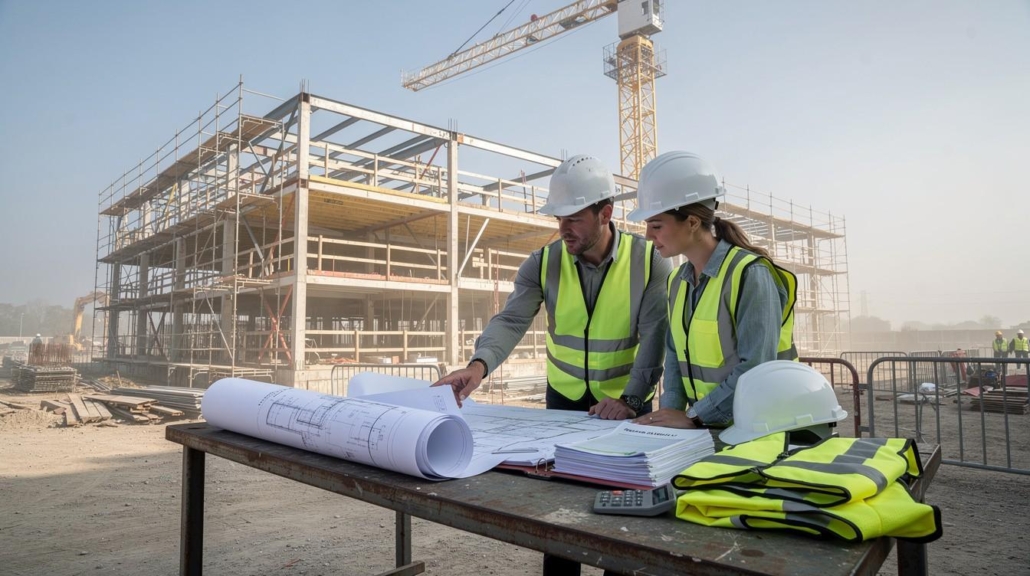
Builders risk insurance protects the physical structure under construction, materials on site, and equipment that will be permanently installed against named perils like fire, theft, vandalism, and weather damage. This inland marine coverage activates the moment your contract is signed or materials arrive on site-whichever comes first. The coverage applies to residential new construction, commercial builds, remodeling projects, and installation work, with limits available up to $75 million depending on project scope. Lenders almost always require this policy before they release construction funds, which means you must secure it early if you’re financing the project. Zurich, one of the major carriers in this space, typically quotes starting around $375 in most states, though regional factors and project specifics drive actual costs significantly higher or lower.
Why Location and Project Type Determine Your Real Cost
The biggest cost drivers are where you build and what you’re building. A $700,000 residential build in New York might run around $2,500 for a one-year policy with a $5,000 deductible, while a similar project in New Jersey could cost roughly $780 annually for comparable coverage. Remodeling projects cost substantially more than new construction because existing structures introduce hidden risks-structural surprises, asbestos, or code compliance issues can balloon claims. Installation work is the cheapest to insure because the scope is narrow and timelines are short. Proximity to fire stations, flood zones, and wildfire-prone regions like California, Washington, and Oregon significantly impact premiums due to faster emergency response or elevated natural disaster risk. Tornado Alley states including Kansas, Oklahoma, and Texas also carry higher premiums.
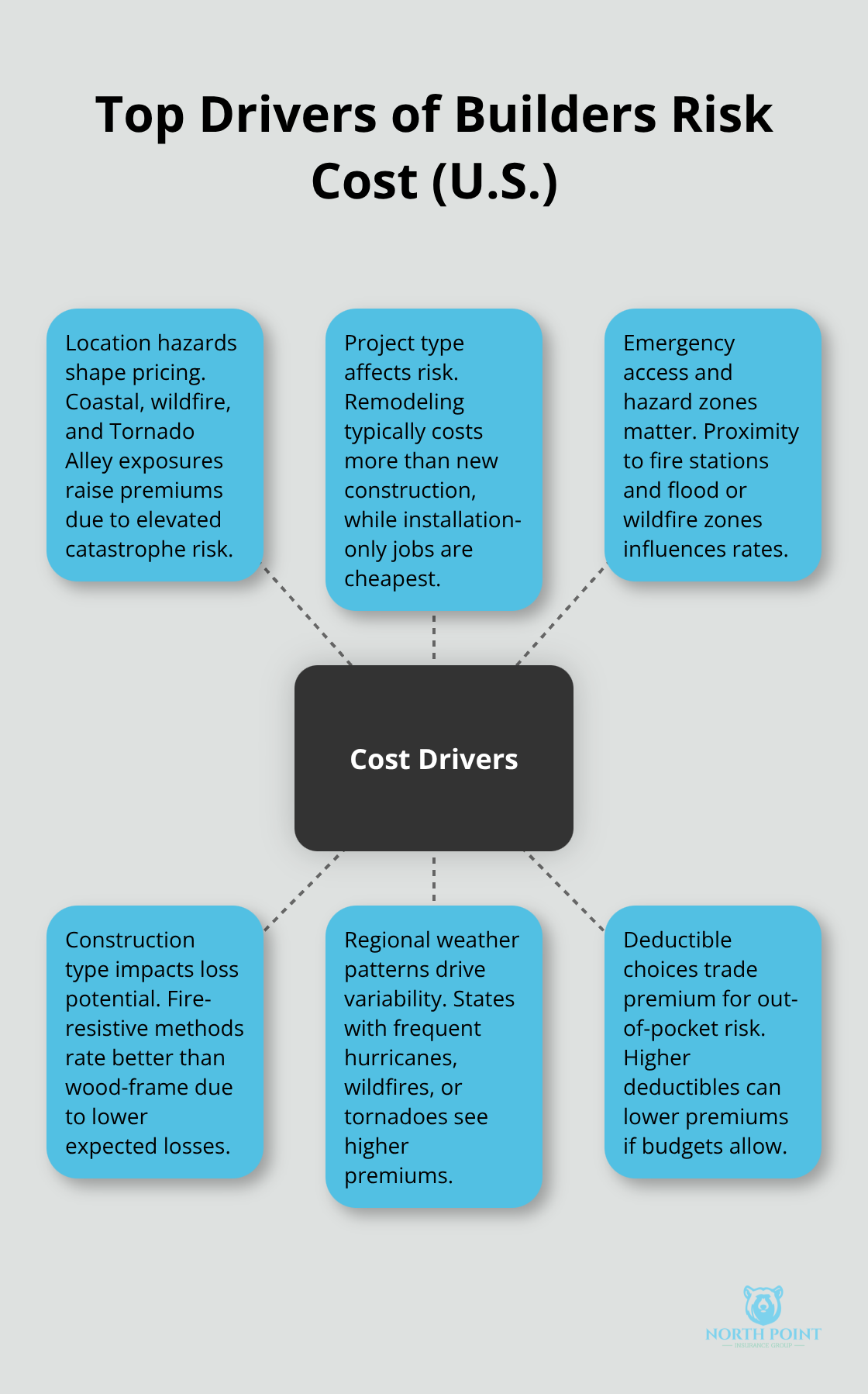
Coastal areas prone to hurricanes command premium increases because wind and storm surge create substantial exposure. Fire-resistive building methods receive better rates than wood-frame construction because they present lower loss exposure.
What Stays Unprotected Without Additional Policies
Builders risk does not cover bodily injury, workplace accidents, or general liability claims from third parties-those exposures require a separate premises liability or general liability policy. Employee theft, mechanical breakdowns, faulty workmanship, design flaws, earthquakes, and floods are typically excluded unless you purchase specific endorsements that add cost. Some carriers exclude wind damage in coastal zones or earthquake coverage in seismic regions unless you pay extra for those endorsements. The policy also won’t cover wear and tear, rust, corrosion, or pre-existing conditions. If your project finishes early, most builders risk policies are non-refundable, so you should plan accordingly when estimating annual costs. Coverage ends at substantial completion or when the building is occupied for its intended use, which means you must transition to standard homeowners or commercial property insurance immediately after that milestone to avoid gaps.
Identifying Your Coverage Gaps
The exclusions listed above create real protection gaps that affect your bottom line. You need to assess which perils matter most for your specific project and location. A coastal renovation faces different risks than an inland commercial build, and your policy should reflect that reality. Work with an agent who understands your project timeline, materials, and local hazards to confirm that your coverage aligns with actual exposures. The next section examines how to select the right coverage limits and endorsements that match your construction assets and financial exposure.
What Your Builder’s Risk Policy Actually Covers
Fire, theft, and weather damage destroy construction projects every year. Builders risk insurance responds to these named perils by protecting the physical structure, on-site materials, and permanently installed equipment and fixtures. The policy covers fire and lightning, hail and windstorm, theft and vandalism, collapse, and acts of God like hurricanes. However, the real value of understanding your coverage lies in knowing exactly which losses trigger payment and which ones fall outside the policy boundary.
Named Perils and Regional Risk Factors
A $500,000 project in a coastal zone faces different covered perils than the same project inland, and your deductible choice directly affects what you actually recover when a loss occurs. Most policies use a standard deductible of $2,500 to $5,000, though you can negotiate higher deductibles to lower premiums if your project budget allows that trade-off. Weather-related losses represent the largest claim category in construction, and builders risk responds to direct physical damage from rain, snow, hail, wind, and lightning. A roofing project in Oklahoma faces tornado exposure that a similar project in Georgia does not, and carriers price accordingly based on these regional hazards.
Materials, Equipment, and Third-Party Property
Materials in transit to the job site are typically included in standard coverage. Property of others-materials or equipment owned by subcontractors or suppliers-is also covered under most policies, which protects you from liability exposure when someone else’s assets are damaged on your site. Theft and vandalism coverage protects against copper wire theft, tool theft, and equipment theft-losses that happen frequently on active job sites and in overnight storage areas.
What Builders Risk Does Not Cover
Third-party liability claims from on-site injuries, property damage to adjacent structures, or accidents involving public access require a separate general liability policy, not builders risk. This distinction matters enormously because many builders assume their builders risk covers these exposures and discover too late that it does not. Soft costs coverage, available as an endorsement, protects lost rental income, extended loan interest, and additional real estate taxes when property damage causes project delays. If a fire delays your project by six weeks, soft costs coverage helps you recover those financial impacts beyond just the repair costs.
Critical Endorsements for High-Risk Locations
Flood damage and earthquake coverage are excluded in standard policies and require specific endorsements purchased at additional premium-critical for projects in flood zones or seismic regions where these perils are probable rather than remote. Your location and project type determine which endorsements make financial sense. A coastal renovation needs flood and wind endorsements; an inland commercial build may prioritize earthquake coverage depending on seismic activity in your area. The next section examines how to select the right coverage limits and endorsements that match your construction assets and financial exposure.
What Builders Risk Actually Excludes
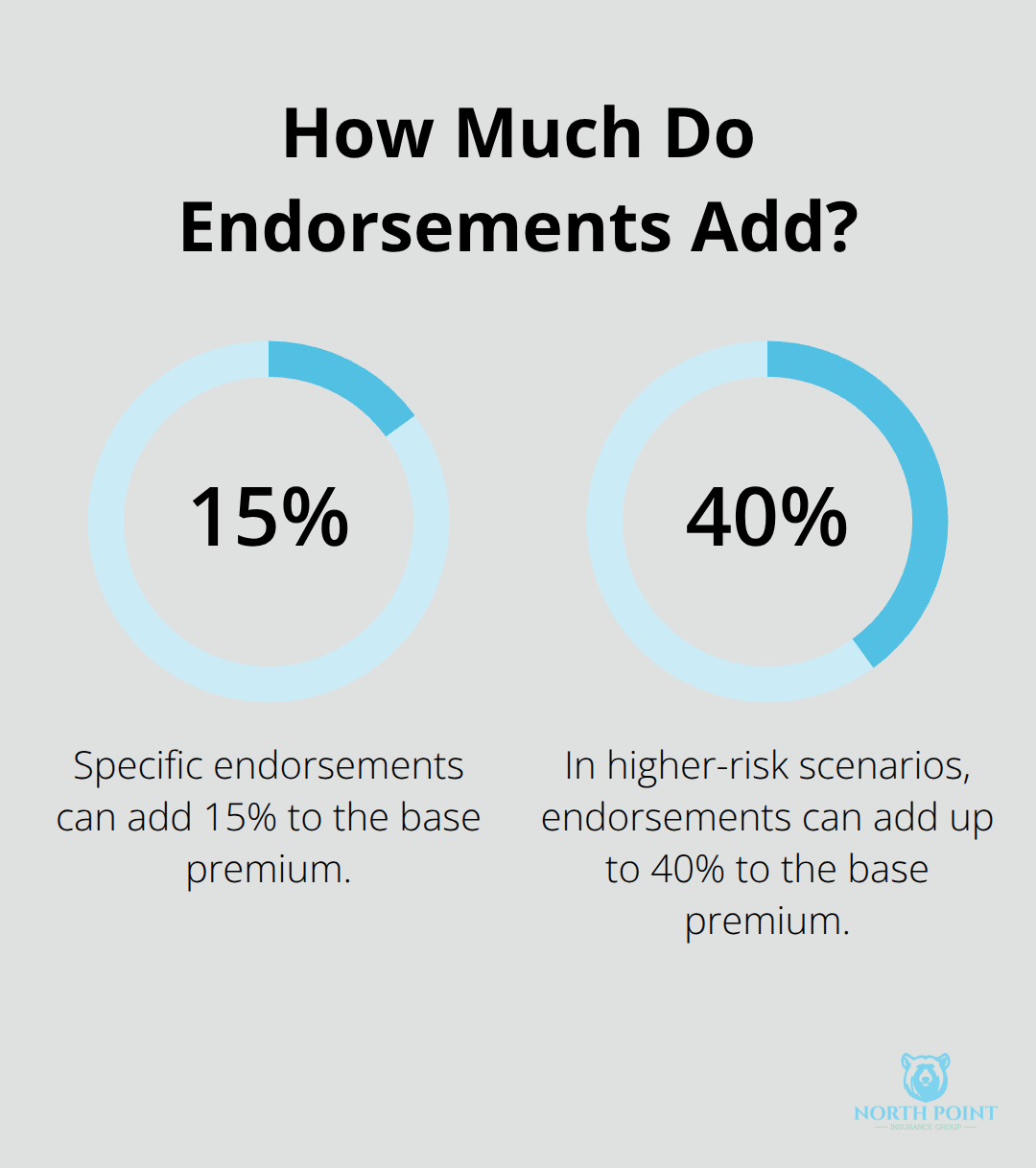
Builders risk insurance has hard boundaries, and crossing them leaves you financially exposed. The policy protects the structure and materials against named perils, but it explicitly excludes bodily injury, workplace accidents, and general liability claims from third parties. A subcontractor slips on wet concrete and sues your company-builders risk does not respond to that claim. You need a separate general liability or premises liability policy for those exposures, which costs between $500 and $2,000 annually depending on project value and location. Similarly, employee theft is excluded under standard builders risk policies, meaning if a worker steals tools or materials from your site, you absorb the loss. Mechanical breakdowns, faulty workmanship, design flaws, and pre-existing conditions are also outside the policy boundary. Wear and tear, rust, and corrosion receive no coverage. Earthquakes and floods are categorically excluded in standard policies across all carriers unless you purchase specific endorsements, which add 15 to 40 percent to your base premium depending on your location and the peril’s probability. A $500,000 project in California that adds earthquake coverage might see premiums jump $800 to $2,000 annually.
Wind damage in coastal zones and hurricane exposure in Gulf Coast states are frequently excluded or heavily restricted unless you negotiate endorsements upfront. Most builders risk policies are non-refundable, which means if your project finishes three months early, you lose the remaining premium-a costly mistake if you don’t plan your policy term correctly.
The Soft Costs Gap Most Builders Miss
Soft costs coverage is an optional endorsement that protects lost rental income, extended construction loan interest, and additional real estate taxes when property damage delays your project completion. If a fire destroys your partially completed commercial building and delays opening by eight weeks, soft costs coverage recovers the lost revenue and interest charges during that delay period. Without this endorsement, you pay those costs out of pocket, and they can exceed the physical repair costs substantially.
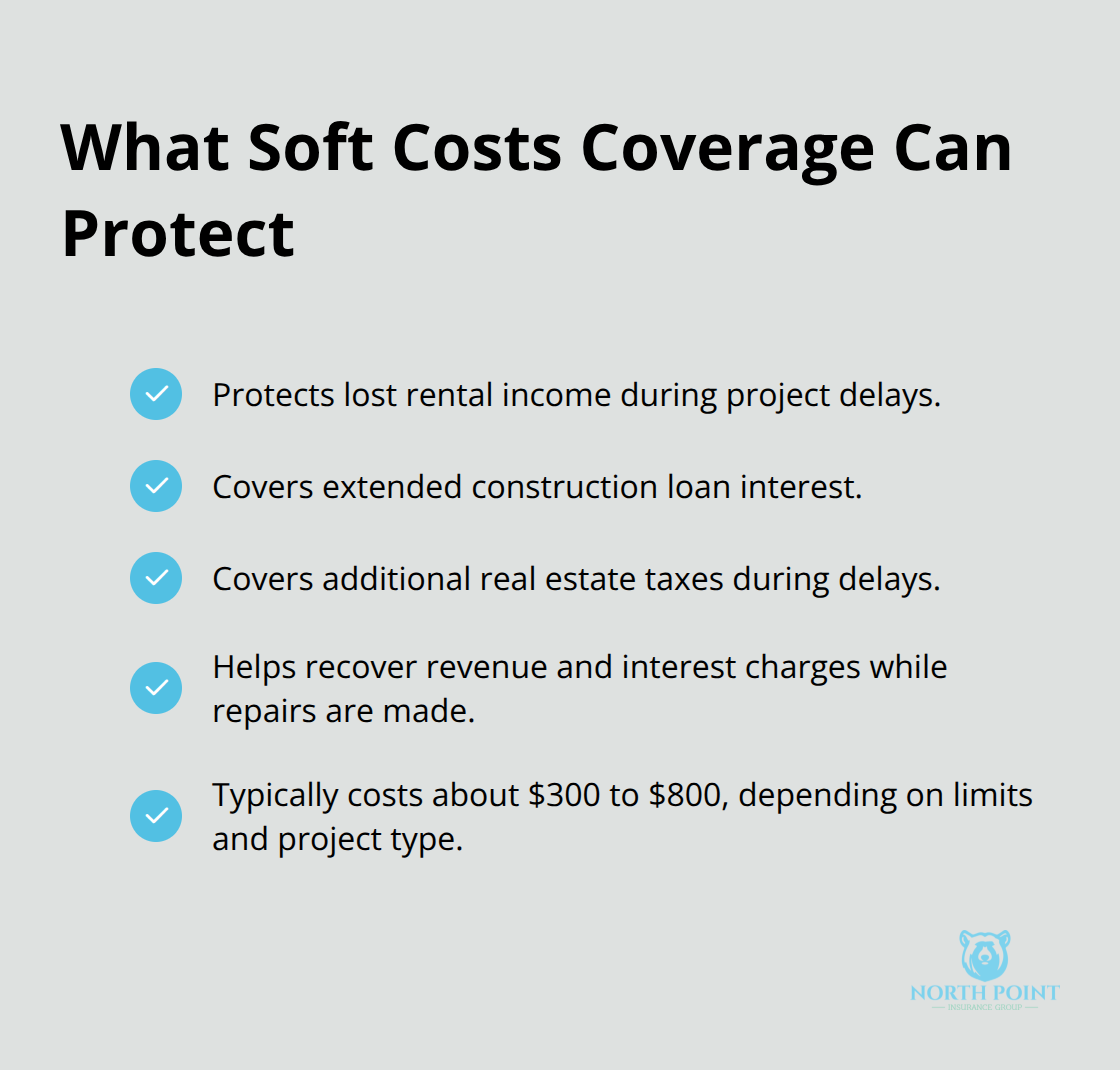
A delayed commercial project losing $50,000 monthly in rental income over two months creates a $100,000 exposure that builders risk alone does not address. Soft costs coverage for any project financed with construction loans or any income-producing property where delay creates financial impact beyond materials and labor makes financial sense. The endorsement typically costs an additional $300 to $800 depending on your coverage limits and project type, which is inexpensive protection against a major financial exposure.
Assessing Your Specific Protection Needs
Your specific protection needs depend on three factors: your project location’s natural disaster exposure, your project type and financing structure, and the permanent use of the building after completion. A remodeling project in a flood zone financed by a bank requires flood endorsement plus soft costs coverage plus general liability. An inland new construction project with cash financing needs only the standard policy plus general liability. Identifying these gaps requires honest assessment of your actual risk exposure and clear communication with your agent about project details, timeline, and financing structure. Your location and project characteristics determine which endorsements make financial sense and which exposures demand separate policies.
Final Thoughts
Builders risk explained comes down to matching your coverage to your actual project exposure, and you must secure it before materials arrive on site. Standard policies protect the structure and materials against named perils, but they leave bodily injury, general liability, employee theft, and soft costs unprotected. Adding the right endorsements for your location and project type closes those gaps without overpaying for coverage you don’t need.
Assess your project’s three defining characteristics: location and its natural disaster exposure, project type and financing structure, and the building’s permanent use after completion. A coastal remodeling project financed by a lender needs different coverage than an inland cash-financed new construction project. Work with an agent who understands construction risk and can quote multiple carriers to compare both pricing and coverage scope (base premiums starting around $375 vary dramatically by these factors).
The cost of getting this wrong is substantial. Missing soft costs coverage on a delayed income-producing project can cost tens of thousands of dollars, while skipping general liability leaves you personally liable for on-site injuries. North Point Insurance Group helps builders navigate these decisions with local agents who understand construction exposures and shop multiple carriers to deliver tailored coverage.
The information provided in this blog is for general informational purposes only and does not constitute legal, financial, or insurance advice. Coverage options, terms, and availability may vary. Please consult with a licensed professional for advice specific to your situation. Artificial intelligence may have been used to generate text and images in some blog articles and may contain inacuracies.

