
Insuring Your Jewelry
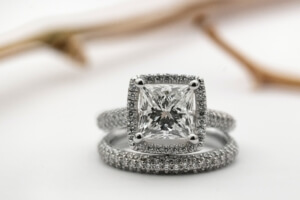 Jewelry holds both financial and sentimental value, making it a valuable possession in your home that deserves consideration for insurance coverage. With their fragility and susceptibility to loss or theft, precious pieces of jewelry are often targeted during burglaries. Surprisingly, many people neglect to insure their expensive and sentimentally significant jewelry. In this article, we will provide you with general information about jewelry insurance costs and the various options available to protect your cherished belongings.
Homeowner’s Insurance: One common method of insuring jewelry is by including it in your homeowner’s insurance policy. Adding jewelry coverage to your existing policy usually incurs an additional cost. Homeowners insurance rates depend on factors such as the coverage amount chosen, home location, age and condition, marital status, and even credit score. It’s important to note that most home policies do not automatically cover jewelry, necessitating an endorsement to your policy specifically covering your jewelry with a separate coverage amount.
Cost of Jewelry Insurance: The cost of jewelry insurance can vary, typically ranging from 1% to 5% of the total value of your jewelry collection. Factors such as the value, rarity, and individual characteristics of your jewelry pieces will influence the specific premium you pay for coverage.
Seek Professional Guidance: To gather more detailed information about jewelry insurance, it is advisable to consult with a licensed agent. Our team is ready to assist you in assessing your insurance needs and obtaining quotes from multiple reputable insurance companies.
Insuring your jewelry is an essential step in safeguarding your valuable possessions. By choosing the appropriate insurance coverage, you can enjoy peace of mind knowing that your jewelry is protected against potential risks. Contact our office today to discuss your insurance needs and receive personalized assistance in finding the ideal jewelry insurance solution for you.
More on Scheduled Property Insurance
Insuring Comic Books, Fine Art, Antiques & More
 So, you’ve got an Amazing Fantasy #15 comic book – the first appearance of Stan Lee’s Spider-Man in a safe from when you were just a kid. What you probably know is that this item can be worth tens of thousands of dollars, but what you probably don’t understand is what happens if that item is lost, stolen, or destroyed by a disaster in your home.
Many of us acquire valuable items from inheritance, being collectors or investment purposes throughout our lives. Perhaps you received a valuable old watch, or received an expensive engagement ring. Often time people assume that these collectibles will simply be covered by your standard home insurance policy as a covered item. What is important to understand about insuring these items is that your standard home insurance policy has specific limits for these valuable items. Typically around $1500, but this amount varies between companies. So, if you have a watch worth $10,000 you’ll have a gap of $8500. What you need to talk to your insurance agent about is getting something called a “floater.” A floater is a type of insurance policy that allows you to insure a specific item. One way to remember a floater is that the items it covers tend to be able to float away (be carried away). Thus, increasing the chances of theft or damage.
Some valuable items to consider adding to a floater include:
- Watches
- Rings, necklaces and other jewelry
- Art
- Furs
- Historical Documents
- Comic Books
- Antiques
- Expensive electronics