
Auto Policy Features You Should Know
Most drivers don’t fully understand what their auto policy actually covers. That gap in knowledge often leads to surprises when claims happen or to paying for coverage you don’t need.
At North Point Insurance Group, we’ve seen firsthand how confusing auto policy features can be. This guide breaks down the coverage types, deductibles, limits, and add-ons that matter most to your protection and your wallet.
Coverage Types That Protect You
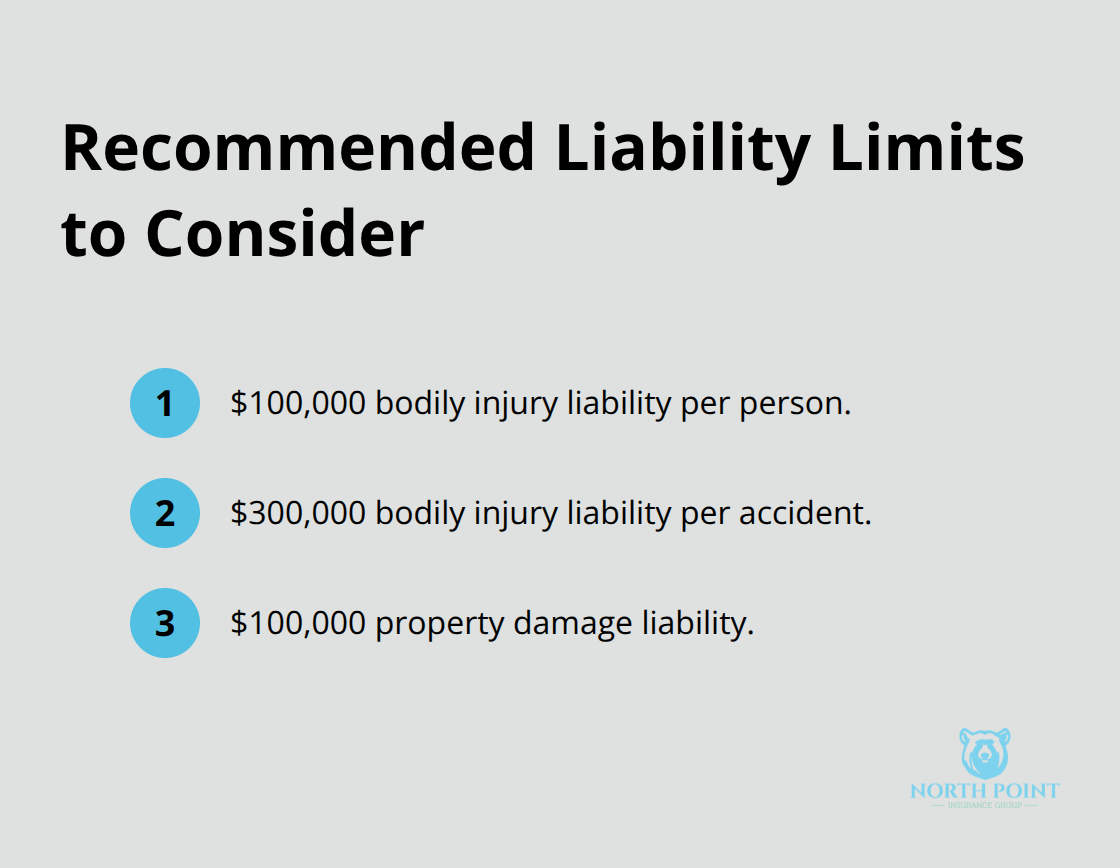
Liability coverage forms the foundation of your auto policy, and every state mandates it. This coverage pays for injuries or property damage you cause to others in an accident. Most states set minimums that fall short of real-world accident costs. Washington requires just $10,000 in property damage liability, while Massachusetts mandates $25,000 per person and $50,000 per accident for bodily injury. These minimums won’t cover serious injuries or significant property damage. A single accident involving multiple people or vehicles can easily exceed these thresholds, leaving you personally responsible for the rest. Try carrying at least $100,000 per person and $300,000 per accident in bodily injury liability, plus $100,000 in property damage liability. This protects your assets and future income far better than state minimums.
Collision and Comprehensive: Protecting Your Vehicle
Collision coverage pays to repair or replace your car after you hit another vehicle or object. Comprehensive coverage handles non-collision damage like theft, vandalism, fire, weather, and animal collisions. According to Progressive data, comprehensive coverage costs about $19 monthly on average for a six-month policy, though rates vary by vehicle and location. The real decision point is your deductible. A $500 deductible is common, but jumping to $1,000 can lower your premium significantly while still keeping your out-of-pocket exposure reasonable if you have an emergency fund. If your vehicle is financed or leased, your lender requires both coverages. If you own your car outright, skip these only if your vehicle is worth less than a few thousand dollars and you can afford to replace it entirely.
Uninsured and Underinsured Motorist Coverage
Uninsured and underinsured motorist coverage can help cover medical bills and property damage cost when you are hit by an uninsured or underinsured driver. This coverage deserves a place in your policy. The Insurance Research Council found that New Mexico’s uninsured driver rate was 24.1 percent in 2023, and even in states with lower rates, uninsured drivers remain a real threat. You can also claim it in hit-and-run accidents if you report the incident within 72 hours. Carry uninsured motorist limits that match your liability limits. If someone hits you and carries only the state minimum, you need coverage that fills the gap between what they owe and what you actually need to recover.
Your vehicle’s value and your financial situation determine which of these three coverage types matter most to your specific situation. The next section examines how deductibles and limits work together to shape both your premium and your protection.
Deductibles and Limits: Building Your Financial Protection
What Your Deductible Really Costs You
Your deductible is the amount you pay before your insurance kicks in, and it directly controls two things: how much your premium costs and how much you’ll owe if a claim happens. A $250 deductible costs more monthly than a $500 option, and jumping to $1,000 saves even more. The math is straightforward-higher deductibles lower premiums. The real question isn’t which deductible sounds safest. It’s which amount you can actually afford to pay without financial strain.
If you have $2,000 in savings, a $1,000 deductible makes sense only if a collision won’t wipe out your emergency fund. Most drivers find their sweet spot by matching your deductible to your financial situation. That balance between lower premiums and manageable out-of-pocket costs protects both your wallet and your peace of mind.
Coverage Limits Determine Your Maximum Protection
Coverage limits set the maximum your insurer will pay for a claim. Bodily injury liability limits of $25,000 per person sound adequate until you realize a single serious accident involving three people can total $75,000 in medical costs alone. Massachusetts requires minimums of $25,000 per person and $50,000 per accident for bodily injury, but that’s the floor, not the target.
Higher limits cost more per month but protect far more of your assets. A $100,000 per person limit typically adds only $15 to $30 monthly compared to state minimums, yet the protection difference is enormous. When your limits run out, you’re personally liable for everything above that threshold. Property damage limits work the same way-$10,000 barely covers a newer sedan, let alone multiple vehicles or property damage to homes.
Discounts That Actually Reduce Your Premium
Discounts reduce your premium significantly if you know where to look and qualify. Massachusetts law requires insurers to offer discounts for passive restraint systems, good student status, multi-car policies, bundling home or renter’s insurance, and reaching age 65. Safety features like anti-theft devices, airbags, and automatic braking systems lower rates because they reduce claim frequency.
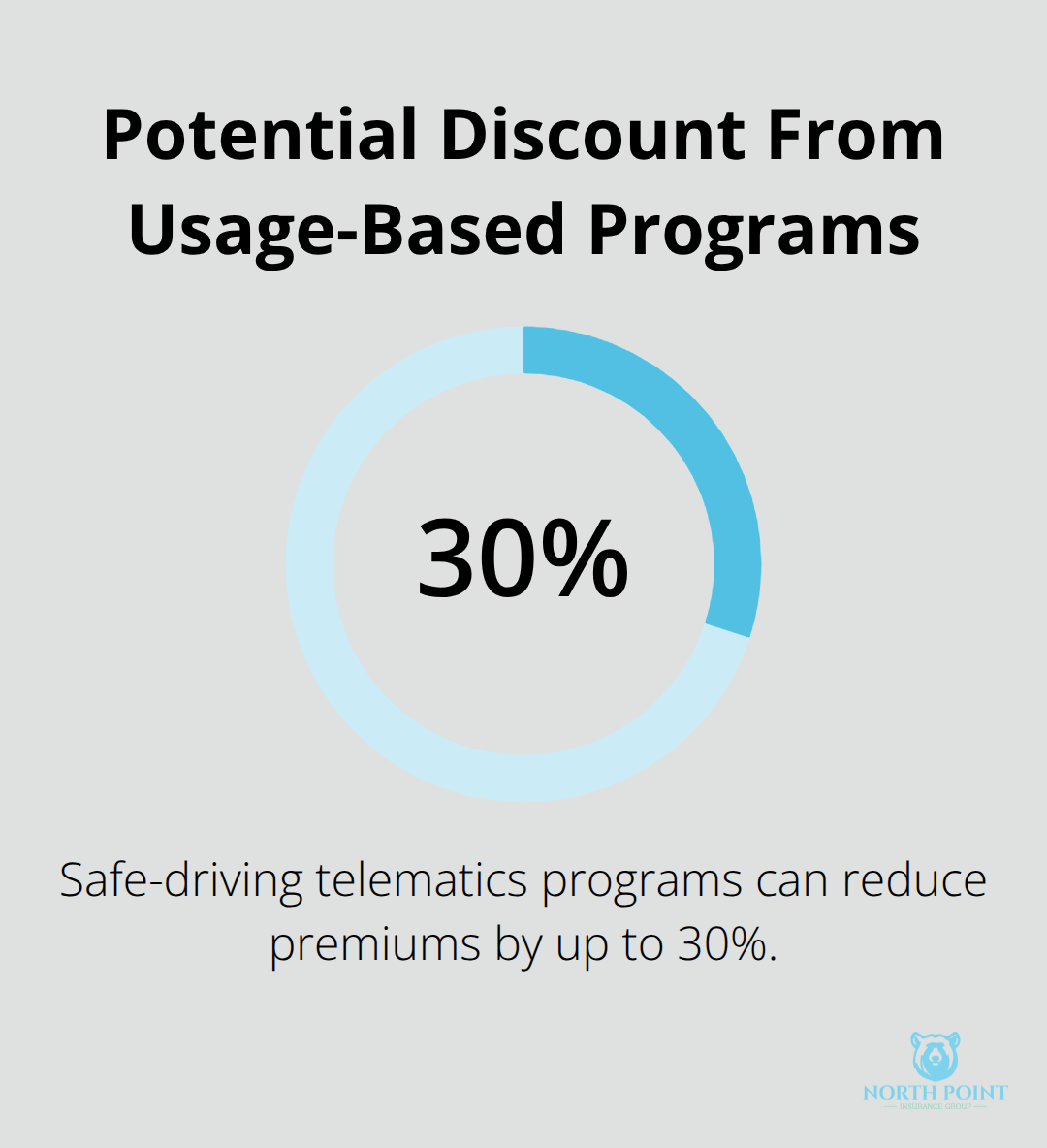
Good student discounts typically apply to full-time students with a B average or higher, saving 15 to 25 percent on premiums. Bundling your auto policy with home or life insurance often saves 10 to 25 percent across all policies. Low annual mileage discounts apply if you drive under 7,500 miles yearly. Usage-based programs track your driving habits and reward safe drivers with discounts up to 30 percent, though they require sharing location and braking data.
The catch with most discounts is that insurers don’t advertise them equally. You must ask directly or review policy documents to confirm what applies to you. Shopping annually across multiple carriers matters because discounts and base rates change. A driver with a clean record for five years might qualify for loyalty discounts at one carrier that another hasn’t mentioned.
Finding the Right Price for Your Coverage
Getting quotes from three or more insurers using identical coverage, limits, and deductibles reveals real price differences. Online quotes take 15 minutes and provide temporary ID cards immediately after purchase, with permanent cards arriving within 60 days. The combination of choosing the right deductible, setting limits that protect your assets, and stacking every available discount creates a policy that fits your budget and your life.
Once you’ve locked in the right deductible and limits, additional features and riders can fill specific gaps in your protection. The next section explores which add-ons actually matter for your situation.
Add-Ons That Fill Real Coverage Gaps
Roadside Assistance and Towing Coverage
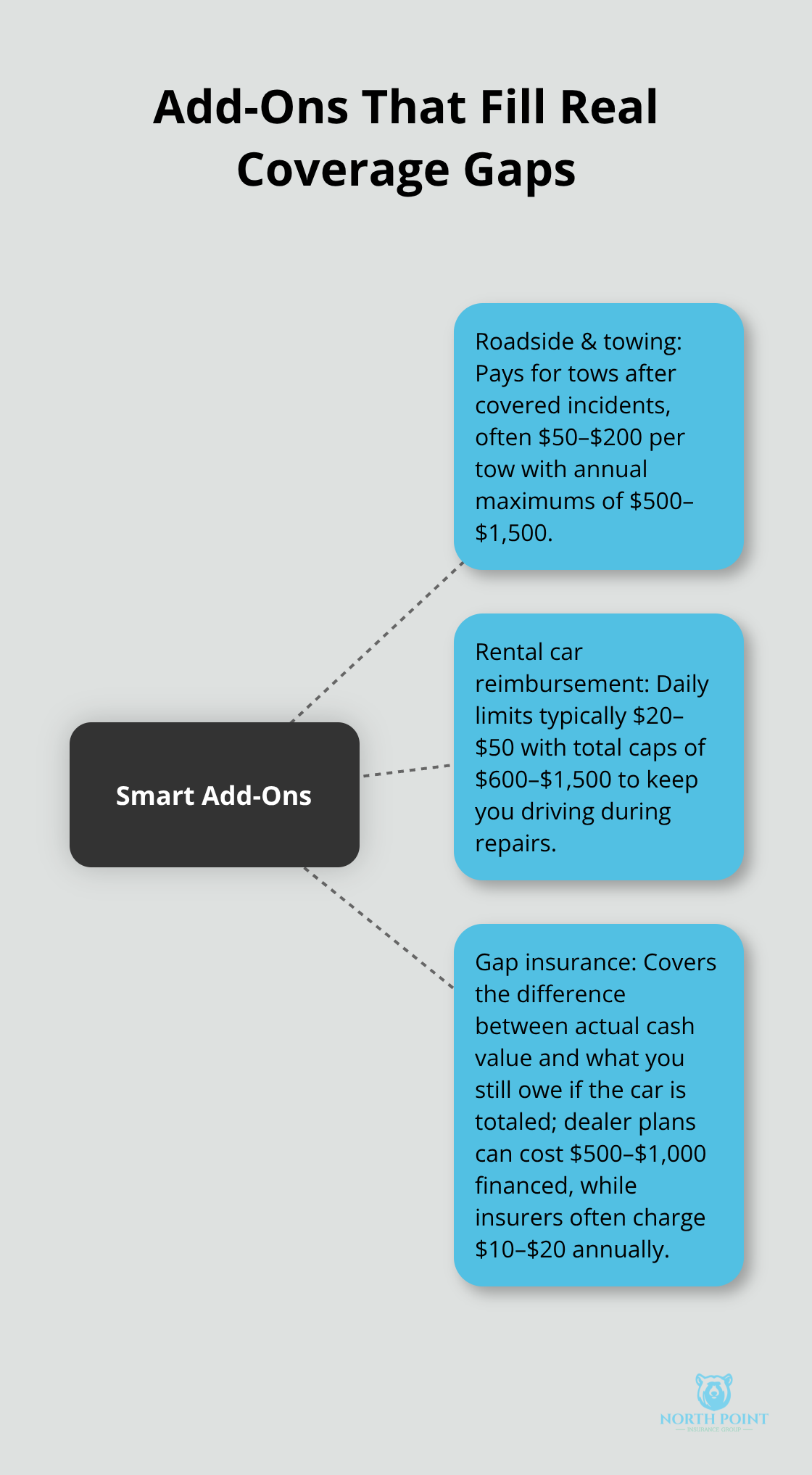
Roadside assistance and towing coverage sound like luxuries until your transmission fails at midnight on a rural highway. This coverage pays the cost of towing your car to a repair shop after a covered incident, typically with limits ranging from $50 to $200 per tow and annual maximums between $500 and $1,500. If you drive an older vehicle prone to breakdowns or frequently travel long distances from home, this add-on pays for itself quickly. A single tow from a rural area can cost $300 to $500 without coverage.
Some policies include emergency road service that covers lockouts, jump starts, and fuel delivery, expanding the value beyond just towing. Check whether your roadside assistance membership through AAA or your credit card already covers towing before duplicating coverage, since many cards offer up to $100 in annual towing reimbursement.
When Rental Car Coverage Actually Matters
Rental car reimbursement coverage provides a rental vehicle while yours is in the shop after a covered accident, typically with daily limits of $20 to $50 and total caps ranging from $600 to $1,500. This coverage makes sense if you depend on your car for work and cannot afford even a few days without transportation. A parent who drives children to school, works full-time, and manages multiple commitments genuinely needs this protection.
Someone who works from home or has access to alternative transportation can skip it safely. The daily limit matters more than the total cap because most repairs finish within 10 to 20 days. A $30 daily limit covers economy rentals in most markets but falls short for larger vehicles. If your area has limited rental availability or premium pricing, request a higher daily limit when shopping quotes.
Gap Insurance for Financed and Leased Vehicles
Gap insurance covers the difference between your car’s actual cash value and what you still owe on your loan or lease if your vehicle is totaled. This protection matters most in the first three years of vehicle ownership when depreciation runs fastest and loan balances exceed vehicle values. A car worth $18,000 after a total loss but carrying a $22,000 loan balance leaves you owing $4,000 out of pocket without gap coverage.
Leasing companies often require gap insurance because they own the vehicle and protect their investment. If you finance a vehicle and put down less than 20 percent, gap insurance deserves serious consideration. Some dealerships bundle gap insurance into your loan at a cost of $500 to $1,000 financed over the loan term, while purchasing it separately through your insurer typically costs $10 to $20 annually. Compare these options before accepting the dealer’s offer, since financing gap coverage into your loan means paying interest on that amount for the entire loan period.
Final Thoughts
Your auto policy features work together to create a safety net that protects both your vehicle and your financial future. Liability coverage shields your assets when you cause an accident, while collision and comprehensive coverage repair or replace your car. Uninsured motorist protection fills gaps when others lack adequate insurance, and deductibles and limits determine how much you pay monthly and how much you owe when claims happen.
The coverage that matters most depends entirely on your vehicle’s value, your financial situation, and how you use your car. A financed vehicle requires collision, comprehensive, and gap insurance because your lender demands it and depreciation creates real financial risk. An older car you own outright might need only liability and uninsured motorist coverage if you can afford repairs yourself.
Start reviewing your current coverage by pulling out your declarations page, which lists your policy number, covered vehicles, coverage types, limits, deductibles, and premium. Compare those limits against your assets and your state’s requirements, then contact North Point Insurance Group to review your current policy and discover where you might be overpaying or underprotected. Our local agents in Alpharetta shop multiple carriers to find auto policy features that match your needs and budget.
The information provided in this blog is for general informational purposes only and does not constitute legal, financial, or insurance advice. Coverage options, terms, and availability may vary. Please consult with a licensed professional for advice specific to your situation. Artificial intelligence may have been used to generate text and images in some blog articles and may contain inacuracies.

