
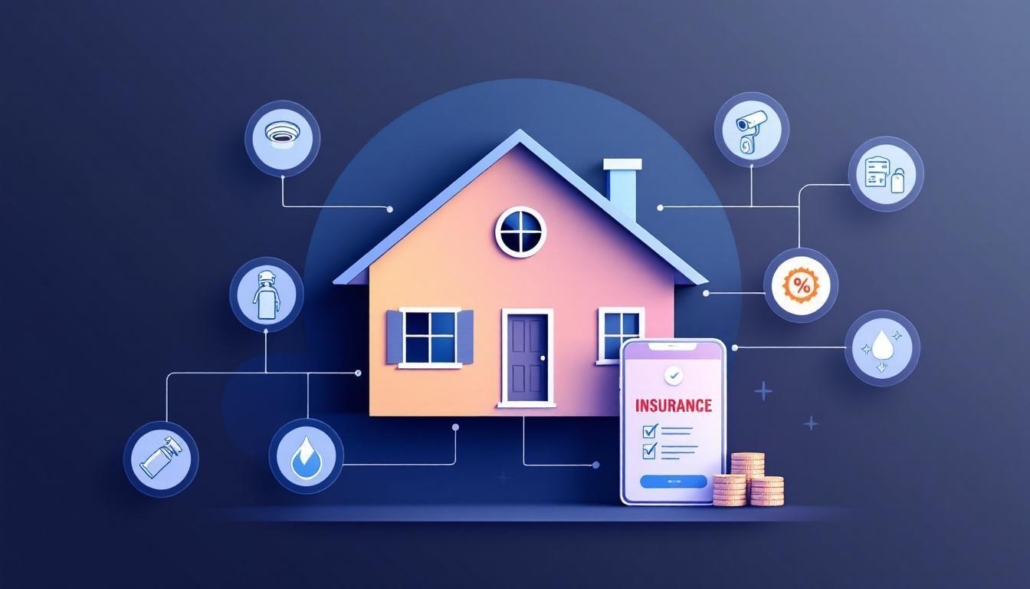
Home Safety Discounts: Lower Your Premium with Smart Habits
Your home safety features are worth real money in insurance savings. At North Point Insurance Group, we’ve seen homeowners cut their premiums significantly by installing the right security and detection systems.
The good news is that home safety discounts aren’t complicated to qualify for. Small upgrades like monitored alarms, better locks, and smoke detectors can add up to meaningful savings on your policy.
What Home Safety Features Actually Save You Money
Security Systems and Deadbolts Stop Burglars Before They Strike
Deadbolts and monitored security systems work because insurers understand risk. A survey of over 400 burglars from the University of North Carolina Department of Criminal Justice and Criminology found that half considered outdoor security cameras an effective deterrent-which is why carriers reward you for installing them. Monitored alarms qualify homeowners for real savings, typically between 5% and 15% off premiums depending on the system and carrier. A basic monitored system costs $15 to $50 monthly, but the annual premium reduction often covers that expense in the first year alone.
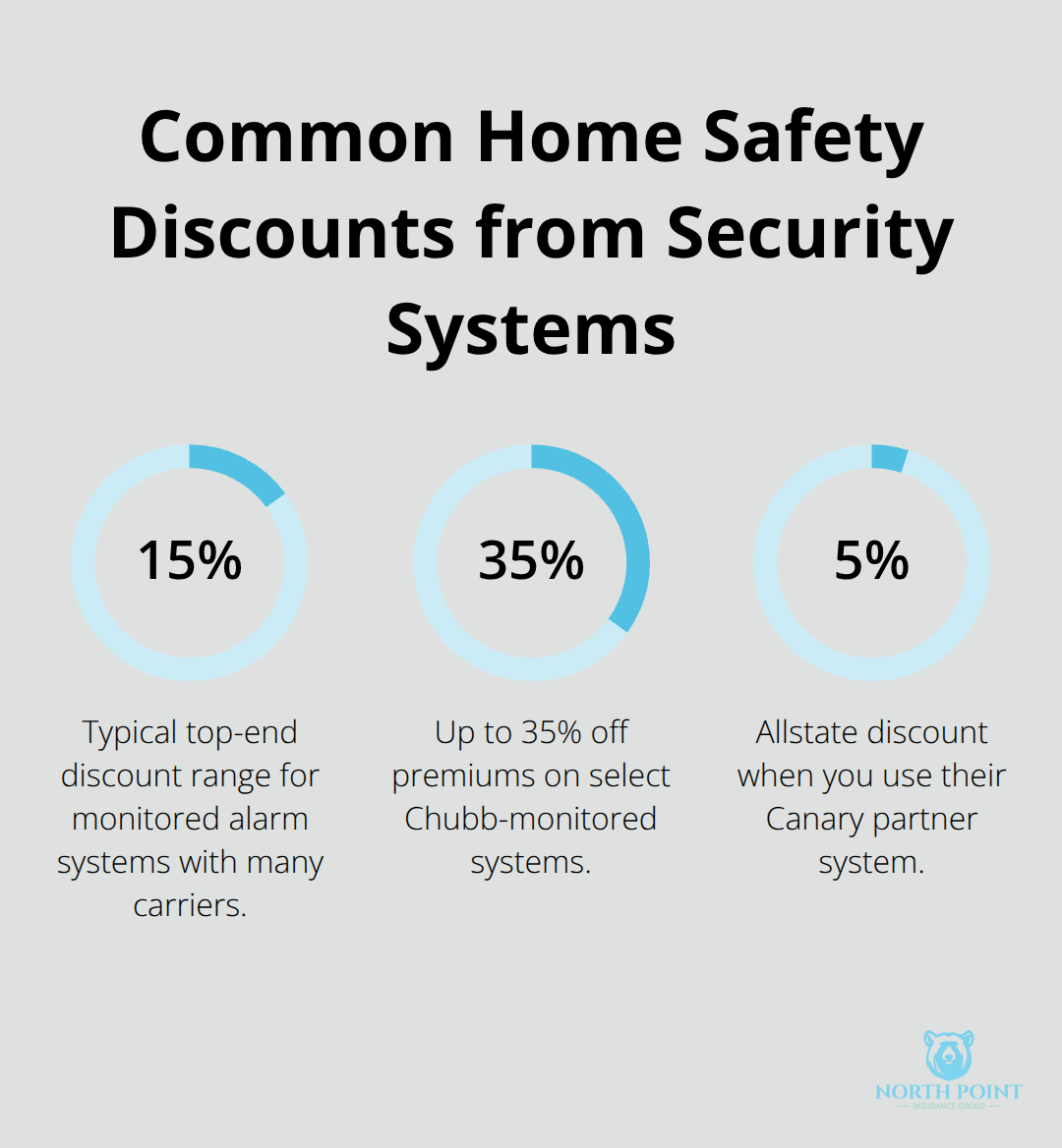
Chubb offers discounts up to 35% on some systems, while Allstate provides a 5% discount when you use their Canary partner system. State Farm includes a free water leak detection package when you enroll in their security program, which pairs nicely with deadbolts and reinforced entry points to lower your overall risk profile.
Water Leak Detection Prevents Your Biggest Claims
Water damage claims affect about 1 in 60 insured homes, making leak detectors one of the highest-return safety upgrades you can install. Smart water leak detectors cost under $50 and provide 24/7 monitoring with instant alerts, preventing thousands in damage. Smart smoke detectors run under $50 to about $200 and qualify for discounts with multiple carriers. Hippo customers with its smart home system see average savings of $64 to $91 annually, while USAA’s Connected Home program requires at least two water leak detectors and offers both device discounts and insurance savings.
Fire Prevention and Climate Control Round Out Your Strategy
Indoor sprinkler systems represent a more substantial investment but appeal to carriers because they actively prevent fire spread rather than just detecting it. Smart thermostats priced between $100 and $300 cut heating and cooling costs, and the energy savings indirectly reduce your risk of expensive failures like frozen pipes-another claim trigger insurers want to avoid. Start with leak detection and smoke alarms because they address the two most common and costly claim types, then expand to thermostats and cameras if your home and budget support it. Safety features on your vehicle can reduce premiums by 5 to 25 percent each, and similar discounts apply to your home-these upgrades form the foundation for the practical installation steps that follow.
How to Install Safety Systems That Qualify for Discounts
Start with your entry points because deadbolts and reinforced doors deliver the fastest wins for premium reductions. Install deadbolts on all exterior doors-they cost $15 to $50 per lock and take less than an hour to install yourself or with a locksmith. Pair these with a monitored alarm system, which typically runs $22.99 to $32.99 monthly and qualifies you for 5% to 15% off your premium depending on your carrier. Allstate offers 5% savings with their Canary system, while Chubb goes as high as 35% on some monitored packages. The math works fast: a $20 monthly monitored system costs $240 annually, but if your premium drops by $300 or more per year, you’ve already broken even. State Farm includes a free water leak detection package with security enrollment, so ask your carrier what bundled options exist before purchasing separately. Request quotes from at least three carriers before committing-Hippo customers with smart home systems average $64 to $91 in annual savings, and USAA’s Connected Home program rewards customers who install two or more water leak detectors with both device discounts and policy savings.
Smoke and Carbon Monoxide Detection Covers Your Highest-Risk Areas
Install smoke detectors on every level of your home and outside each bedroom-they cost under $50 to $200 per unit and qualify for discounts across nearly all major carriers. Carbon monoxide detectors belong near sleeping areas and appliances that produce heat; they cost $30 to $150 and address a silent hazard insurers actively reward. These devices work because they prevent catastrophic claims, not just catch them late. Place detectors in hallways, kitchens, and near furnaces-not in corners or high shelves where smoke takes longer to reach. Test all detectors monthly and replace batteries twice yearly (ideally on daylight savings transitions so you remember the schedule). Carriers like State Farm and USAA specifically mention smoke and CO detection in their discount programs, making this one of the easiest premium reductions to capture immediately.
Water Leak Detection Stops Damage Before It Spreads
Smart water leak detectors cost under $50 and provide 24/7 monitoring with instant alerts that stop thousands in damage before it spreads. Install these devices under sinks, near water heaters, and in basements where leaks most often start (water damage claims affect about 1 in 60 insured homes). Many carriers tie water leak detector discounts directly to your premium-USAA requires at least two detectors to qualify for their Connected Home program savings, while State Farm bundles leak detection with their security enrollment. Check your carrier’s specific requirements before purchasing, as some insurers demand data sharing or device compatibility to activate the discount. This single upgrade often pays for itself within the first year through premium reductions alone.
Thermostats and Smart Plugs Extend Your Safety Strategy
Smart thermostats priced between $100 and $300 cut heating and cooling costs while reducing your risk of expensive failures like frozen pipes-another claim trigger insurers want to avoid. Smart plugs under $50 enable remote shutdown of devices like space heaters, reducing hazard risk and potential claims. These upgrades work best after you’ve installed deadbolts, alarms, and leak detection, since they address secondary risks rather than primary ones. Focus on devices with the biggest safety and financial impact for your home and habits first, then expand to thermostats and plugs if your budget supports it. The combination of these systems creates a comprehensive safety profile that carriers recognize and reward across multiple discount categories.
Verify Requirements and Activate Your Discounts
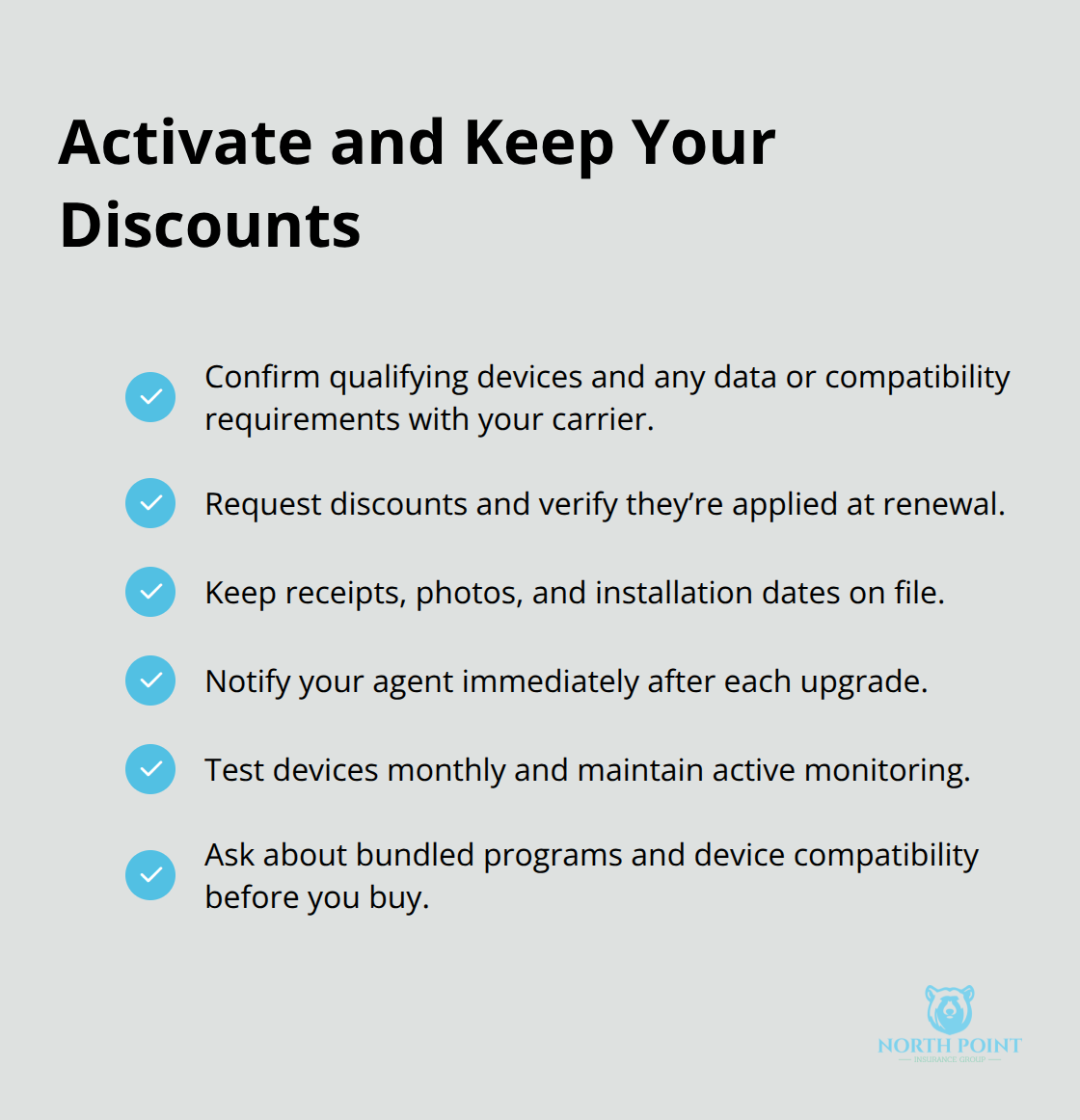
Contact your carrier before purchasing any device to confirm which upgrades qualify for discounts and what data sharing or compatibility requirements apply. Some insurers like Hippo provide complimentary smart home monitoring systems with the policy itself, while others require you to purchase devices separately and then submit proof of installation. Discounts are not automatic-you must request them or verify they’ve been applied at renewal. Keep documentation of all installations and notify your agent when upgrades are complete so credits apply to your next policy period.
These practical steps position you to qualify for the maximum available savings, but the real value emerges when you combine multiple safety features into a cohesive home protection strategy that addresses the specific risks your carrier prioritizes.
Where Your Safety Discounts Disappear
Maintenance Failures Cost You Half Your Savings
Most homeowners install security systems and leak detectors, then watch their premium savings evaporate because they fail to maintain what they’ve built. Carriers verify functionality, and many require annual certifications or proof of working equipment before honoring your safety credits. If you installed a monitored alarm system two years ago but stopped paying the monthly monitoring fee, your discount vanishes immediately at renewal, even though the hardware still sits on your door. Homeowners lose 50% to 75% of their potential savings because they didn’t maintain the systems or communicate the changes to their agent. Your deadbolts need regular inspection for rust or damage, your smart water leak detectors need battery replacements every 12 months, and your monitored alarm system requires active professional monitoring to qualify for discounts. Test every smoke and carbon monoxide detector monthly-many carriers now ask during renewal whether your detectors have been tested in the past 30 days, and a no answer costs you the discount. Keep receipts and installation dates for all safety devices because when you switch carriers or renew your policy, you’ll need proof that upgrades actually exist and function properly.
Failing to Report Upgrades to Your Agent
Your agent can only apply discounts they know about, which means failing to report new safety features is like leaving money on the table. Homeowners install a $300 smart thermostat or add outdoor cameras, then never mention it to their insurance representative, missing 5% to 15% annual savings for years. Carriers update their discount programs frequently-Allstate, State Farm, and Chubb all expanded their smart home offerings in 2024 and 2025, but your agent won’t know you qualify unless you ask or notify them of completed work. Contact your agent immediately after any installation, not at renewal six months later, because some carriers backdate discounts to the installation date while others only apply credits moving forward. Document everything: take photos of installed deadbolts, keep the smart device packaging showing installation dates, and email your agent a summary of all upgrades with completion dates. Discounts like defensive driver courses, bundling home and auto policies, and safety features on your vehicle can reduce premiums significantly when properly reported.
Storm Protection and Weather Resilience Gaps
Storm protection falls into the same accountability gap-if your home sits in a wind or hail zone but you’ve never installed storm-resistant shingles, reinforced roof strapping, or impact-resistant windows, you’re missing one of the largest discount categories available. Homes with recently replaced roofs often qualify for new roof credits that lower premiums significantly, but only if your carrier knows the replacement happened. These upgrades (storm-resistant shingles, reinforced strapping, impact-resistant windows) represent some of the most valuable discounts available to homeowners in high-risk weather zones, yet many carriers never learn about completed work because homeowners don’t report it.
Schedule Annual Policy Reviews to Capture Missed Savings
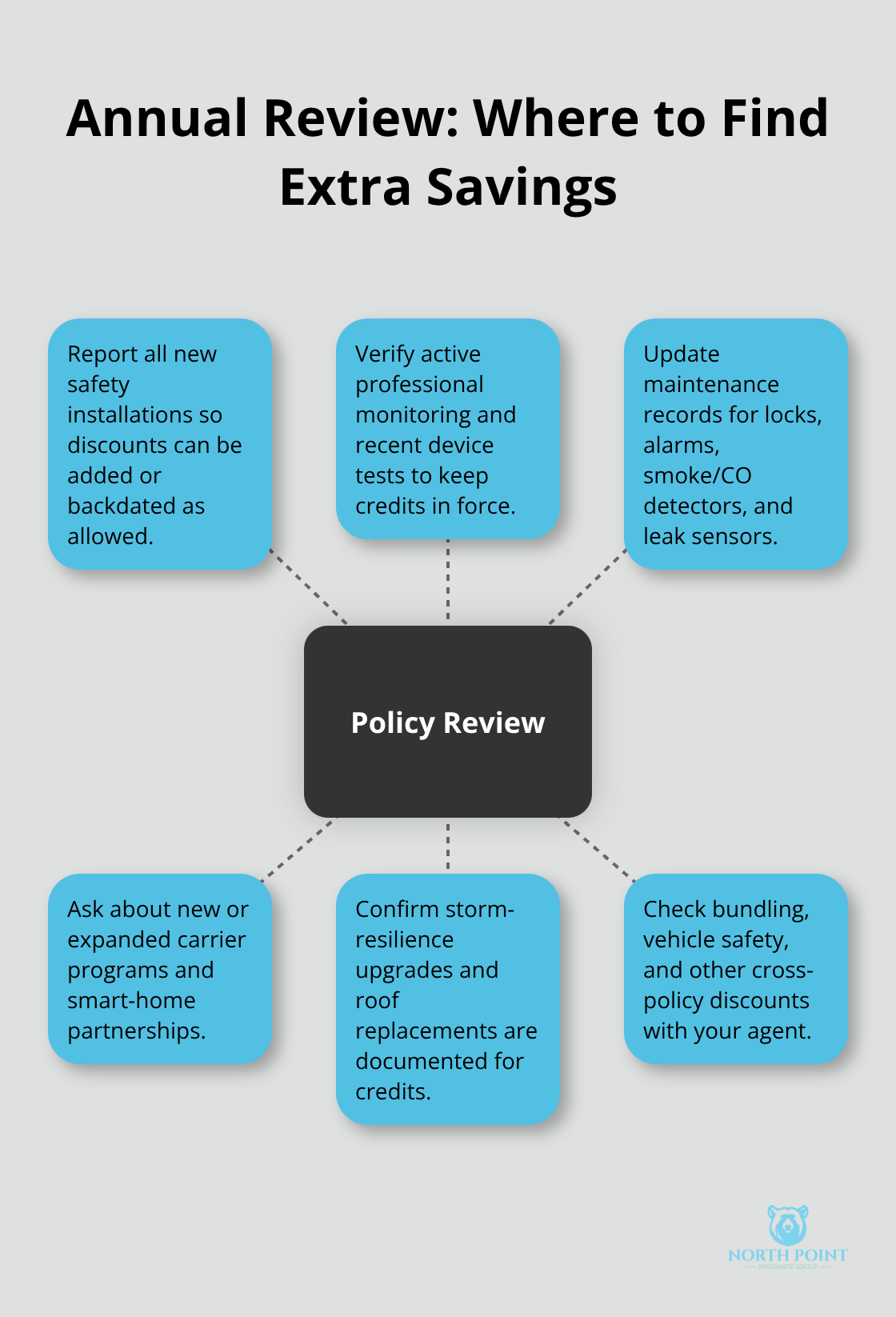
Schedule an annual policy review with your agent specifically to discuss new safety features, maintenance status of existing systems, and any home improvements completed since your last renewal. This single conversation typically uncovers $200 to $400 in missed annual savings. Your agent can verify which upgrades qualify for current discounts, confirm that active monitoring or maintenance requirements remain in place, and identify any new discount programs your carrier launched since your last policy period.
These reviews transform safety investments from one-time installations into ongoing premium reductions that compound year after year.
Final Thoughts
Home safety discounts represent real money in your pocket, but only when you install systems and maintain them properly. Deadbolts, monitored alarms, leak detectors, and smoke alarms directly lower your premiums because insurers recognize that these upgrades reduce claims-a homeowner who installs a monitored alarm system, adds water leak detection, and maintains both devices can save $300 to $500 annually depending on their carrier and location. The gap between potential savings and actual savings comes down to maintenance and communication: your safety devices only qualify for discounts when they function, and your agent must know they exist.
Contact your carrier before purchasing any device to confirm which upgrades qualify for home safety discounts in your area, then notify your agent the moment installation is complete. Keep documentation of all work and test your devices monthly so you maintain eligibility year after year. A monitored alarm system that stops working loses its discount immediately, and a newly installed smart thermostat that you never report to your agent saves you nothing.
Schedule an annual policy review with your agent to discuss any home improvements, safety upgrades, or maintenance you’ve completed since your last renewal-this conversation typically uncovers $200 to $400 in missed savings and ensures your carrier applies every discount you qualify for. At North Point Insurance Group, our local agents work with you to identify all available discounts tied to your home safety investments and find the best coverage for your needs. Contact us today to review your current policy and capture the home safety discounts you’ve earned.
The information provided in this blog is for general informational purposes only and does not constitute legal, financial, or insurance advice. Coverage options, terms, and availability may vary. Please consult with a licensed professional for advice specific to your situation. Artificial intelligence may have been used to generate text and images in some blog articles and may contain inacuracies.

